


This guide explains how to approach Melbet registration from the United Kingdom, what to check before creating an account, and how the casino app fits into the wider experience. Registration steps and available services can change, so treat the instructions as general guidance and verify the current terms, licensing information and eligibility rules on the official site before proceeding.
Before you sign up
First, check whether Melbet is currently authorised to offer gambling services to customers in Great Britain. The UK Gambling Commission’s public register is the place to verify an operator’s licence; do not assume that a website or app is UK-licensed simply because it accepts a UK address or displays familiar payment methods. If the operator is not licensed for your location, do not use it to gamble.
Also check the minimum age, account rules, privacy notice, bonus terms and withdrawal conditions. UK players must be at least 18 to gamble. Never use a VPN or inaccurate personal details to get around location or identity checks. If you are uncertain whether a service is legally available to you, pause and seek reliable guidance before depositing.
How registration generally works
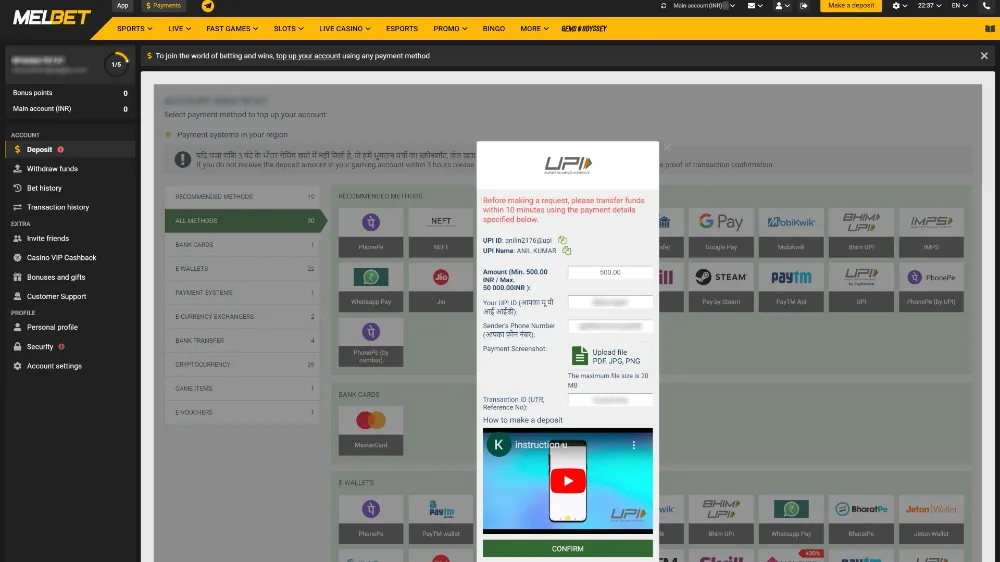
The exact layout may vary between the website and mobile app, but online gambling accounts typically follow a similar process. Use only the official channel you have independently verified, and avoid links in unsolicited messages or adverts.
- Open the verified service. Confirm the web address or app publisher before entering personal information. Check that the service is permitted for your jurisdiction.
- Choose registration. Look for a clearly labelled sign-up or registration option. Read any notices about eligibility and account restrictions before continuing.
- Provide accurate details. The form may request information such as your name, date of birth, address, email address and phone number. Enter details that match your official documents and payment account.
- Set secure login details. Use a unique password that you do not use on other websites. Do not share it with anyone, including people claiming to be support staff.
- Complete verification. Gambling operators may ask for identity, age, address or payment checks. Follow the instructions through the verified account area and upload documents only through a secure, official channel.
- Review account settings. Before depositing, find the options for deposit limits, time-outs, self-exclusion and account security. Set limits that fit your budget and circumstances.
Do not create duplicate accounts to work around a restriction, bonus exclusion or verification request. If a form rejects your details, contact the operator through its verified support channel rather than changing information to make it pass.
Account verification and safety
Verification is a normal part of regulated gambling services. It helps confirm that an account belongs to an adult, that the information is accurate and that payment activity can be checked. The operator may request documents or use electronic checks. Requirements and processing times vary, and no guide can guarantee approval or a particular withdrawal time.
Keep copies of communications and note any reference numbers. Never send card PINs, full passwords or one-time security codes to another person. Be wary of anyone who promises guaranteed winnings, offers to “verify” an account for a fee, or asks you to install remote-access software.
Before depositing, read the rules for withdrawals, payment methods, fees and identity checks. Make sure you understand whether a payment option is available to UK customers and whether its account name must match your registration details. If anything is unclear, ask support for a written explanation before transferring money.
Using the app
A casino app can make it easier to browse games and manage an account on a phone, but convenience should not replace basic checks. Download software only from a verified source, review the publisher name, check requested permissions and keep your device operating system up to date. Avoid installing unofficial files sent through chat or email.
On a small screen, make sure you can clearly find account settings, transaction history, game rules and responsible-gambling tools. Do not gamble while driving, working in a safety-sensitive role or doing anything that needs your full attention. If notifications encourage you to return or deposit, adjust them in the app or device settings.
graphics review of Melbet casino application
The visual quality of a casino application is best judged through practical details rather than promotional claims. Check whether text is readable, buttons are easy to tap and menus remain understandable on your screen. Game thumbnails and animations may look polished, but they do not indicate a better chance of winning. A well-designed interface should make it straightforward to locate rules, limits, support and account controls—not merely the games or deposit button.
Choosing games responsibly
If casino games are legally available to you, take time to understand how each one works before staking money. Read its rules, paytable and information about volatility or return-to-player figures where provided. These statistics describe long-run theoretical performance, not a prediction of what will happen in a particular session; A demo mode, if offered, can help you learn controls, but demo results do not establish that real-money play will be profitable.
Set a spending limit before you start and treat it as the maximum cost of entertainment, not a target to recover. Do not borrow money, use funds intended for bills, or increase stakes to chase losses. Take breaks and stop when you reach your time or money limit. Gambling outcomes are uncertain; no system, app feature or “hot” game can guarantee a win.
Quick checks before depositing
- Confirm the operator’s current status on the UK Gambling Commission register if you are in Great Britain.
- Check the terms for your location, age eligibility, bonuses, deposits and withdrawals.
- Use accurate personal information and a payment method in your own name.
- Understand verification requirements and protect your login credentials.
- Set deposit, time and loss limits before playing.
- Do not deposit if you feel pressured, distressed or uncertain about the service’s legal status.
Common questions
Can I register if I live in the UK?
Availability depends on the operator’s current permissions and terms. Check the UK Gambling Commission register and the official conditions for your location. If the service is not authorised to serve customers where you live, do not create an account or try to bypass restrictions.
What information might registration require?
Online gambling services commonly ask for personal and contact details, followed by age and identity checks. The exact requirements vary. Provide truthful information and submit documents only through a verified, secure channel.
Why might verification take longer than expected?
Documents may be incomplete, unclear or inconsistent with the account details, or the operator may need additional checks. Review the request carefully and contact verified support if you need clarification. Do not open another account to avoid the process.
Is a demo game the same as playing for money?
No. Demo play may let you explore a game without staking cash, but it cannot show that you will win when playing for money. Real-money gambling involves financial risk, and results can vary from one session to another.
Overall view
Registering for a casino account is not just a matter of filling in a form. UK players should first establish whether the operator is authorised for their location, then review account terms, verification requirements, payment conditions and safer-gambling tools. If those checks do not provide clear answers, do not deposit.
When an online gambling service is legally available, use accurate details, secure your account and set limits before play. The app’s graphics and ease of navigation may affect convenience, but neither can make gambling risk-free or improve the certainty of an outcome. If gambling is causing harm, stop using the service and seek help from an appropriate support organisation.