


9mm Ammo That Hits Harder Than You Expect
9mm ammo is a rimless, centerfire cartridge defined by its 9mm bullet diameter, typically loaded with a jacketed or full-metal-jacket projectile. It functions by igniting a primer that burns smokeless powder, propelling the bullet through a rifled barrel with reliable, consistent pressure. This design delivers a balanced combination of manageable recoil, magazine capacity, and terminal performance, making it a practical choice for target shooting, training, and personal defense. Its versatility across various firearm platforms allows shooters to select from full-metal-jacket rounds for range practice or hollow-point loads for controlled expansion.
What Exactly Is 9mm Luger and Why Is It So Popular?
The 9mm Luger, also known as 9x19mm Parabellum, is a specific cartridge design—distinct from other 9mm rounds like 9mm Makarov or 9mm Short—defined by its 19mm case length and a standard bullet diameter of 9.01mm. Its overwhelming popularity in 9mm ammo stems from a near-perfect balance of manageable recoil, high magazine capacity, and proven terminal ballistics. Unlike heavier calibers, the Luger’s moderate pressure allows for faster follow-up shots and easier training, making it ideal for both duty and competition. Furthermore, its universal military adoption after NATO standardization created massive production volume, which translates to lower cost and endless availability for shooters. This combination of controllable power, compact size, and affordability cements the 9mm Luger as the pragmatic benchmark for self-defense and recreational shooting alike.
The Core Specs: Case Length, Bullet Diameter, and Pressure Ratings
The 9mm Luger cartridge is defined by a **case length of 19.15 mm**, a measurement that ensures reliable feeding and headspacing in most semi-automatic pistols. Its nominal bullet diameter is 0.355 inches (9.01 mm), which sits between the 0.354-inch (9 mm) and 0.356-inch (0.38-caliber) projectiles, allowing consistent barrel engagement and accuracy. Pressure ratings are standardized by SAAMI at a maximum of 35,000 psi (or 39,200 CUP), while NATO spec sets a slightly higher 36,500 psi for military loads. These pressure limits dictate safe reloading practices and determine whether a firearm can handle +P or +P+ ammunition. The case’s taper and rimless design, combined with these diameter and pressure constants, create a balanced cartridge that cycles reliably across diverse platforms.
The 9mm 6.5x57R Ammo for Sale Luger’s 19.15 mm case length, 0.355-inch bullet diameter, and SAAMI 35,000 psi pressure ceiling collectively define its performance envelope and compatibility with standard and +P loads.
9x19mm vs. 9mm Short vs. 9mm Makarov: Key Differences Explained

The critical .32 ACP Ammo for Sale distinction in the 9x19mm vs. 9mm Short vs. 9mm Makarov comparison boils down to case length and pressure, which dictate firearm compatibility. The 9x19mm Luger uses a 19.15mm case, generating high pressure for superior velocity and stopping power. The 9mm Short (.380 ACP) fits a shorter 17.3mm case, producing less recoil but significantly lower energy. The 9mm Makarov (9x18mm) sits between them dimensionally, yet it is a unique cartridge not interchangeable with either. These differences create a clear sequence:
- Check the barrel stamping — never force a round that doesn’t seat flush.
- Measure case length if unsure; 9x18mm is visibly shorter than 9x19mm.
- Test fire only the designated ammunition caliber to avoid catastrophic chamber failure.
How to Choose the Right Bullet Weight for Your Shooting Goals
For 9mm ammo, bullet weight dictates your shooting experience more than any other variable. Choose 115-grain loads for fast, flat trajectories and snappy recoil, ideal for rapid-fire drills and competition where speed matters. Heavier 147-grain subsonic rounds excel for suppressed use and precision slow-fire, but demand a firmer grip due to their softer, pushier recoil impulse. For concealed carry or defensive purposes, 124-grain projectiles offer the optimal balance of penetration and controllable follow-up shots, making them the most versatile 6.8 SPC Ammo for Sale starting point. **Ask yourself: what dominates your sessions—target speed, quiet shooting, or defensive reliability?** Match the weight to that primary goal, and let accuracy data validate your choice. Ultimately, test several weights from the same brand; your pistol’s barrel twist and sights will reveal the true winner for your specific hands and intended use.

115 Grain vs. 124 Grain vs. 147 Grain: What Each Feels Like at the Range
At the range, 115-grain 9mm rounds feel snappy and sharp, with a quick recoil impulse that pushes the muzzle upward noticeably. The 124-grain load offers a balanced, slightly softer push that tracks back Ammunition for Sale to target faster, making it feel more predictable during rapid fire. Heavier 147-grain rounds produce a slower, deeper shove—less muzzle flip but a heavier felt recoil that can feel sluggish to some shooters. For new shooters, the 124-grain is often the smoothest middle ground; for those sensitive to twist, the 147’s push is easier on the wrist. Muzzle rise is lowest with 147-grain, while split times and sight recovery tend to favor 124-grain in practical drills.
Q: Which weight feels flattest for follow-up shots?
A: The 147-grain feels flattest in terms of muzzle rise, but the 124-grain returns to zero faster because its recoil is more linear—making 124-grain the best compromise for quick, accurate follow-ups.
Matching Bullet Grain to Your Gun’s Recoil Spring for Reliable Cycling
Matching bullet grain to your gun’s recoil spring is the secret sauce for flawless 9mm function. Lighter 115-grain loads produce less slide velocity, so a stiff stock spring might not fully cycle, causing stovepipes. Conversely, heavy 147-grain subsonics hit the slide harder—if your spring is too light, the slide slams back violently, leading to premature wear or even failure to feed. The sweet spot? Test your pistol with a few weights and watch the ejection pattern: brass flying at 3–4 o’clock usually means the spring is happy. Reliable cycling depends entirely on this grain-to-spring balance. Don’t ignore it if you run a suppressor or a competition rig with altered springs.
- Start with 124-grain as a baseline—it’s the best compromise for most factory recoil springs.
- If you get jams with 147-grain, try .32 Win Special Ammo for Sale a lighter spring (like 13–14 lbs) for softer tuning.
- For hot 115-grain loads, a heavier spring (16–18 lbs) prevents slide battering.
- Spring tuning is cheaper than buying new ammo—test incrementally.
Full Metal Jacket vs. Hollow Points: Which Type Should You Load?
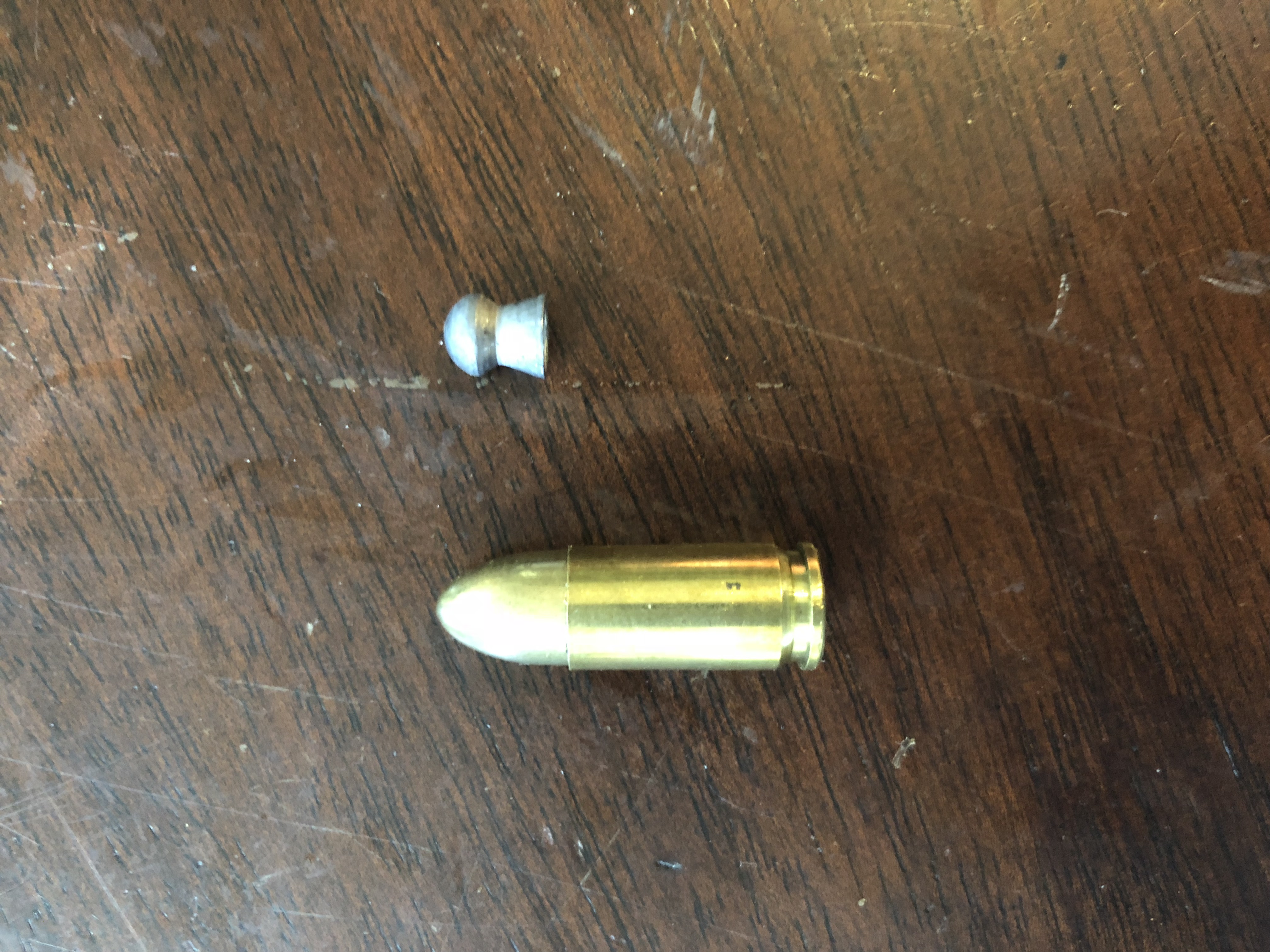
For your 9mm, the choice between full metal jacket and hollow points hinges entirely on the job. At the range, FMJ’s hardened lead core and copper jacket feed flawlessly through any action, letting you burn through hundreds of rounds without worrying about fouling or malfunctions—pure practice work. But the moment you’re loading for self-defense, hollow points are the only honest answer: their expanding petals dump energy into soft tissue, dramatically reducing over-penetration risk in a hallway where a missed shot could hit a loved one. That said, a hollow point that fails to expand because it’s moving too slow from a short barrel is just a very expensive FMJ. Load FMJ for training, hollow points for carrying. Your life’s not a paper target, so don’t treat it like one. Test your chosen defensive round thoroughly, since feed reliability matters more than any ballistic chart.
FMJ for Practice and Plinking: Cost-Effectiveness and Barrel Wear
For practice and plinking, FMJ rounds dominate due to their superior cost-effectiveness for high-volume shooting. Their copper jacket and lead core are cheaper to produce than expanding hollow points, allowing you to fire significantly more rounds per dollar. When comparing barrel wear, the copper jacket is softer than steel casings but harder than bare lead, creating a balanced friction profile that prevents accelerated erosion while still protecting the bore from leading. This means your 9mm barrel experiences predictable, gradual wear that extends service life far beyond what shooting unjacketed lead would allow. The tradeoff is minimal: slightly more copper fouling than lead-free options, but this cleans easily with standard solvents.
Q: Does shooting FMJ for practice cause more barrel wear than using hollow points?
A: No. FMJ’s uniform copper jacket actually produces less barrel stress than hollow points, which can deform slightly during feeding, and far less fouling than bare lead. Over thousands of rounds, FMJ maintains consistent bore dimensions, making it the safer choice for preserving your 9mm barrel’s longevity.
JHP for Self-Defense: Expansion, Penetration Depth, and Stopping Power
For self-defense, JHP expansion and penetration depth are the twin pillars of stopping power. Unlike FMJ, a 9mm JHP is engineered to mushroom upon impact, creating a larger wound channel that accelerates hydrostatic shock. This rapid expansion increases the diameter of tissue damage, while controlled penetration—typically 12–18 inches in ballistic gel—ensures the round reaches vital organs without over-penetrating and endangering bystanders. The result is a dramatic drop in the target’s ability to continue a threat. Prioritize loads with proven, consistent expansion at defensive velocities; a bullet that fails to expand performs like a round-nose, sacrificing the immediate, decisive stop you need.
Understanding Velocity and Energy Numbers on the Box
The box of 9mm ammo lists velocity in feet per second, often measured from a test barrel, but your actual pistol’s barrel length will change that number—shorter barrels drop speed by roughly 50–100 fps. Energy, in foot-pounds, is calculated from that velocity and bullet weight, so a 115-grain round screaming at 1,200 fps feels snappier, while a 147-grain subsonic load at 950 fps pushes softer and suppresses better. That velocity number dictates your point of aim at distance, because a faster round drops less, and energy tells you how much tissue disruption you can expect at typical defensive ranges. However, a high number on paper rarely translates to control—what really matters is how that specific load cycles in .35 Remington Ammo for Sale your firearm during a rushed, sweaty-palm drill. So, when you pick a box, read those figures, but verify them against your own chronograph and recoil impulse.
Muzzle Velocity vs. Muzzle Energy: What These Figures Mean for Accuracy
Muzzle velocity and muzzle energy affect 9mm accuracy in distinct ways. Velocity dictates the bullet’s flight time and drop; a faster round (e.g., 1,200 fps) reaches the target sooner, reducing error from wind drift and shooter movement. Energy, measured in foot-pounds, reflects downrange impact but does not directly alter trajectory. For accuracy, velocity matters more: a consistent muzzle velocity from lot to lot ensures a predictable arc, while energy fluctuations (from bullet weight or powder charge) can shift point of impact. To apply this:
- Compare velocity numbers—lower variation (under 20 fps) means tighter groups.
- Ignore energy for zeroing—use velocity to set your sights at 25 yards.
- Test two 6.5×55 Swedish Ammo for Sale loads with equal energy but different velocity—the faster one will group tighter at 50 yards.
How Barrel Length Affects 9mm Ballistics in Real-World Use
Box velocity figures are typically generated from a test barrel of four to five inches, but your actual muzzle speed depends entirely on your pistol’s barrel length. A shorter 3.1-inch carry gun can lose 75–125 feet per second compared to a full-size 5-inch slide, which directly lowers muzzle energy and can shift your point of impact at typical defensive distances. Conversely, a longer barrel, like a carbine’s 16 inches, boosts velocity by several hundred fps, dramatically flattening trajectory and increasing expansion reliability. Therefore, you must treat box numbers as a reference, not a promise: **real-world ballistics demand chronograph testing from your specific barrel** to confirm your defensive load actually performs as advertised.
Practical Tips for Storing and Handling Your 9mm Stockpile
To protect your 9mm ammo’s reliability, store cartridges in a cool, dry environment below 75°F, as humidity accelerates primer corrosion and powder degradation. Keep rounds in their factory boxes or a sealed ammo can with a desiccant pack to prevent moisture absorption, and never leave loose 9mm rounds rattling in a range bag, where friction can deform bullets and cause feeding failures. Handle your stockpile by rotating it—use the oldest boxes first to maintain consistent ballistics, while avoiding oils and solvents near primers, which can infiltrate and kill ignition. Inspect each case for dents, crimping issues, or tarnished brass before loading magazines, discarding any suspicious rounds. For long-term reserves, stack cans off concrete floors to thwart condensation, and always wash your hands after handling lead-core ammunition to minimize residue transfer to your firearm and yourself.
Best Ways to Keep Ammo Dry, Cool, and Corrosion-Free for Years
For decades-long 9mm storage, prioritize absolute moisture exclusion, as humidity is the primary catalyst for corrosion. Use sealed, USGI-style metal ammo cans with rubber gaskets, adding a reusable desiccant canister to actively absorb residual moisture. Keep these containers in a climate-controlled environment, ideally below 70°F, because excessive heat accelerates propellant degradation. Before long-term sealing, inspect each cartridge for existing tarnish or dents, which can compromise the brass case. Rotating your stockpile every few years—even if unfired—prevents latent issues from becoming permanent and ensures your defensive rounds remain ballistically reliable.
- Silica gel desiccant packs—replace or recharge them every six months to maintain efficacy.
- Plastic ammo boxes with individual slots are acceptable short-term, but not for permanent, humidity-prone storage.
- Add a thin coat of corrosion inhibitor, like a dry lubricant (e.g., silicone-based), 6.5x57mm Mauser Ammo for Sale to the outside of cartridges only if cases are already cleaned.
- Avoid storing in basements or garages; choose a climate-stable interior closet or safe.
Rotating Your Carry Ammo: When and Why to Replace Defensive Rounds
Rotating your carry ammo ensures your defensive rounds perform when your life depends on them. Replace rounds that have been chambered repeatedly, as the bullet can setback into the case, raising pressure. Also swap out ammo that has been exposed to sweat, humidity, or extreme temperature swings. A practical rule: rotate your magazine’s top round every two to four weeks, and cycle the entire magazine’s contents into your range stash every six months. Even sealed primers can’t protect against constant re-chambering wear. .338 Lapua Ammo for Sale Follow this sequence:
- Unload and inspect each round for visible setback or corrosion.
- Set aside any damaged ammunition for safe disposal or practice.
- Reload with fresh defensive rounds from your sealed stockpile.
Always use your oldest carry ammo at the range first, then replenish with new. This keeps your carry load fresh, reliable, and ballistically https://specialtysportsandsupplyltd.com/ consistent under stress.
Fixing Common Feeding and Extraction Issues with 9mm Cartridges
Fixing common feeding and extraction issues with 9mm cartridges begins with verifying your ammunition’s overall length (OAL). If your 9mm ammo fails to chamber, check for bullet setback—where the projectile is pressed deeper into the case during repeated chambering, causing pressure spikes or misfeeds. For extraction failures, prioritize your extractor spring tension; a weak spring will slip off the rim, especially with dirty or lacquered cases. Also, inspect the feed ramp for burrs and polish it with a felt wheel, as rough surfaces catch soft-nosed 9mm bullets. Use factory-spec rounds with a consistent case mouth roll-crimp to prevent snagging on the ramp. Always test your fixed pistol with a full magazine of the exact 9mm load you intend to carry, as hollow-point profiles differ from ball and demand more precise extractor tuning.
Why Your Slide Fails to Lock Back and How Ammo Contributes
When your 9mm slide fails to lock back on the last round, weak or underpowered ammunition is often the root cause. The slide-stop lever requires sufficient rearward force from the slide, which is driven by propellant gas pressure. If your 9mm loads feature a low powder charge or use light bullets, the slide may lack the momentum to fully compress the magazine follower and engage the stop. Additionally, a worn or improperly tuned magazine spring can exacerbate this, but ammo’s recoil impulse is the primary variable. To diagnose, test a hotter factory load. If the slide locks back reliably, your ammo is the culprit. Consider the sequence:
- Fire a weak 9mm round → slide velocity drops below the threshold
- Slide fails to lift the stop lever → follower rises but cannot catch
- Slide returns forward without locking → empty magazine remains seated
Even a marginally short cartridge overall length can reduce gas seal efficiency, lowering slide speed further. Always verify your ammunition’s velocity rating before blaming the pistol’s internal parts.
Identifying OAL and Crimp Problems That Cause Misfires or Jams
When 9mm rounds fail to chamber or fire, the culprit often hides in the **overall length (OAL) and crimp you’ve set**. An excessively long OAL forces the bullet’s ogive into the rifling, preventing the slide from closing fully—a classic cause of stubborn jams. Conversely, too short an OAL can destabilize the round during feeding, leading to misfeeds. Crimp issues are equally sneaky: insufficient taper crimp allows the bullet to set back into the case under recoil, spiking pressure or causing a misfire, while an over-aggressive crimp buckles the case mouth, wrecking extraction. Use a case gauge to verify every loaded round, and check the crimp by pressing the bullet against a solid surface—it must not budge.
- Plunk-test every 9mm round in your barrel to confirm OAL compatibility.
- Measure crimp at 0.379–0.381 inches at the case mouth to prevent setback.
- Inspect for bulged cases after crimping, which signal over-crimping and jam risks.